Mechanotransduction - How the Heart Muscle
responds to Shockwave Impulses
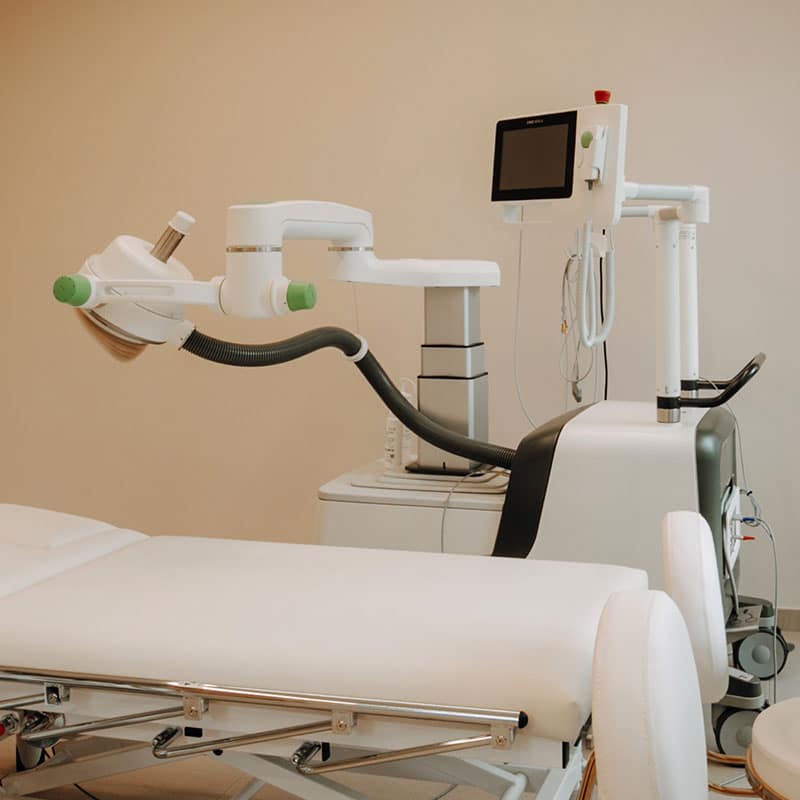
From the Mechanical
Stimulus to the Biological
Response
The Principle Behind Cardiac
Shockwave Therapy (CSWT)
Our heart works continuously - it pumps, expands, contracts, and reacts to countless stimuli. Every movement, every pressure, and every change in blood flow generates tiny mechanical forces to which the cells of the heart and blood vessels respond. This ability to convert mechanical stimuli into biological signals is called “mechanotransduction.”
Mechanotransduction is one of the most fascinating processes in modern medicine. It describes how cells respond to pressure, tension, or shear forces, “translate” these signals, and thereby initiate regeneration and healing processes, growth, or adaptation processes. In short, mechanotransduction is the language in which the body responds to physical stimuli.
What Does Mechanotransduction Mean?
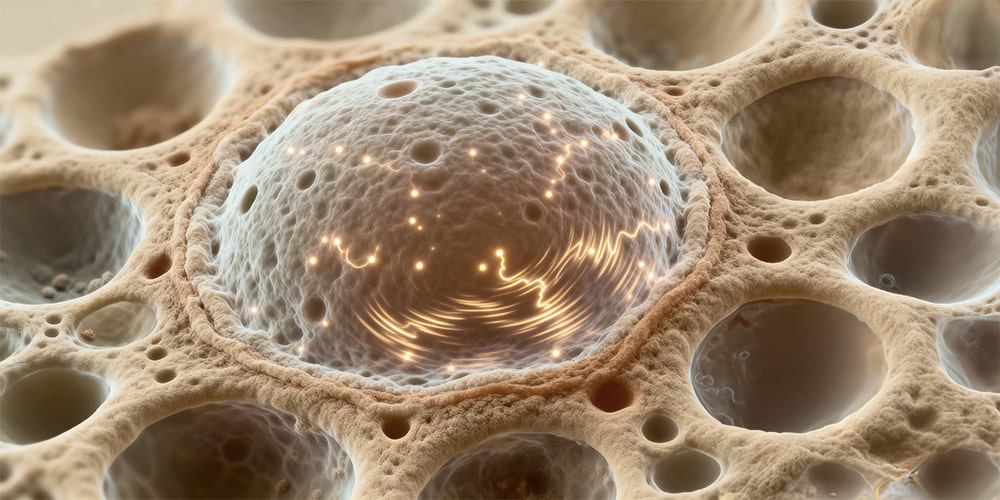
All our cells have small “sensors” in their membrane - known as mechanoreceptors (these are specialized protein structures in the cell membrane). When a cell is stimulated by movement, pressure, or vibration, these receptors respond by opening tiny ion channels, triggering electrical and chemical signals within the cell.
These signals then activate a whole cascade of biological processes - genes are activated, proteins are remodeled, and new blood vessels are formed. This results in remodeling and repair processes that improve cell metabolism and strengthen tissue. The principle works in almost all tissues of the body - from muscles to bones to the heart.

Mechanotransduction in the
Cardiovascular System
Mechanotransduction also plays a central role in the heart muscle: every time the heart beats or expands, the cells sense these forces and adapt accordingly. This fine tuning is vital - it helps regenerate heart tissue, regulate blood flow, and respond to stress.
If this mechanism is disrupted—for example, in cases of coronary heart disease (CHD), ischemic heart failure, or circulatory disorders - the cells can no longer respond optimally to stimuli. The result: less vascular regeneration, poorer blood supply, and reduced regenerative capacity.
This is where Cardiac Shockwave Therapy (CSWT) comes in. It uses targeted mechanical impulses to reactivate this natural mechanism.
How Cardiac Shockwave Therapy
Utilizes Mechanical Signals
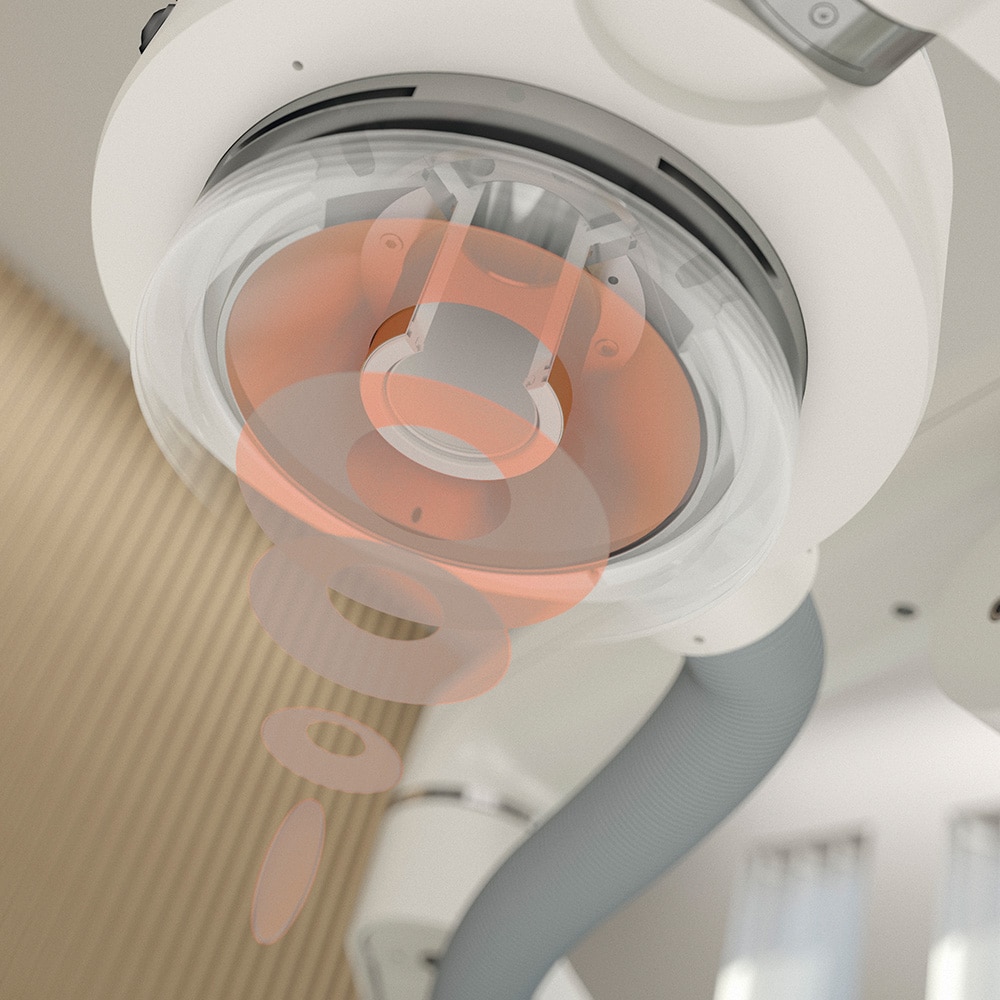
In CSWT, low-energy shock waves are transmitted to the heart muscle via the chest wall. These impulses are gentle but biologically effective. They “awaken” the cells, so to speak—similar to training for the tissue.
The shock waves act as triggers for mechanotransduction: they open mechanosensitive channels, activate signaling pathways, and stimulate the release of growth factors (such as VEGF – vascular endothelial growth factor). These promote the formation of new blood vessels (angiogenesis) and support the regeneration of heart tissue.
Various research groups have been able to show that CSWT shock waves specifically trigger this mechanism - with noticeable clinical improvements in blood flow, resilience, and quality of life.
What Mechanotransduction
Means for Our Patients at
Schlosspraxen Meyer
Mechanotransduction explains why cardiac shock wave therapy (CSWT) is such a gentle yet effective method: it works with the body rather than against it. Instead of cutting or blocking, it utilizes the biological intelligence of the cell. The body responds itself - with remodeling and regeneration. For our patients, this means no pain, no downtime, but the chance to support heart function in a natural way.
Mechanotransduction is therefore not a theoretical concept, but a fascinating example of how modern medicine understands and specifically uses the language of the body - gently, precisely, and scientifically sound.