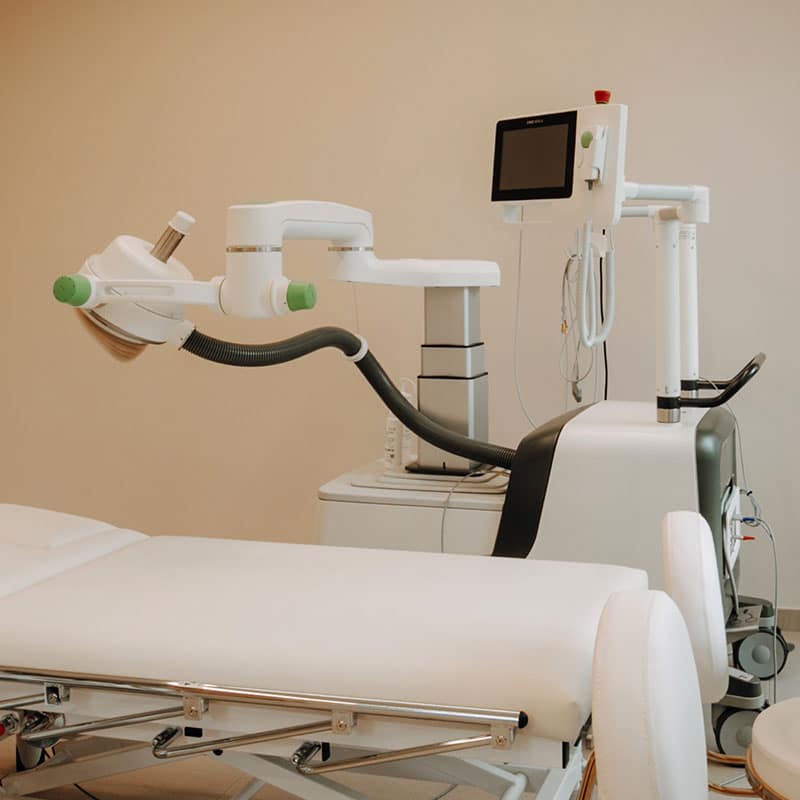
How shock waves are opening new paths in
medicine
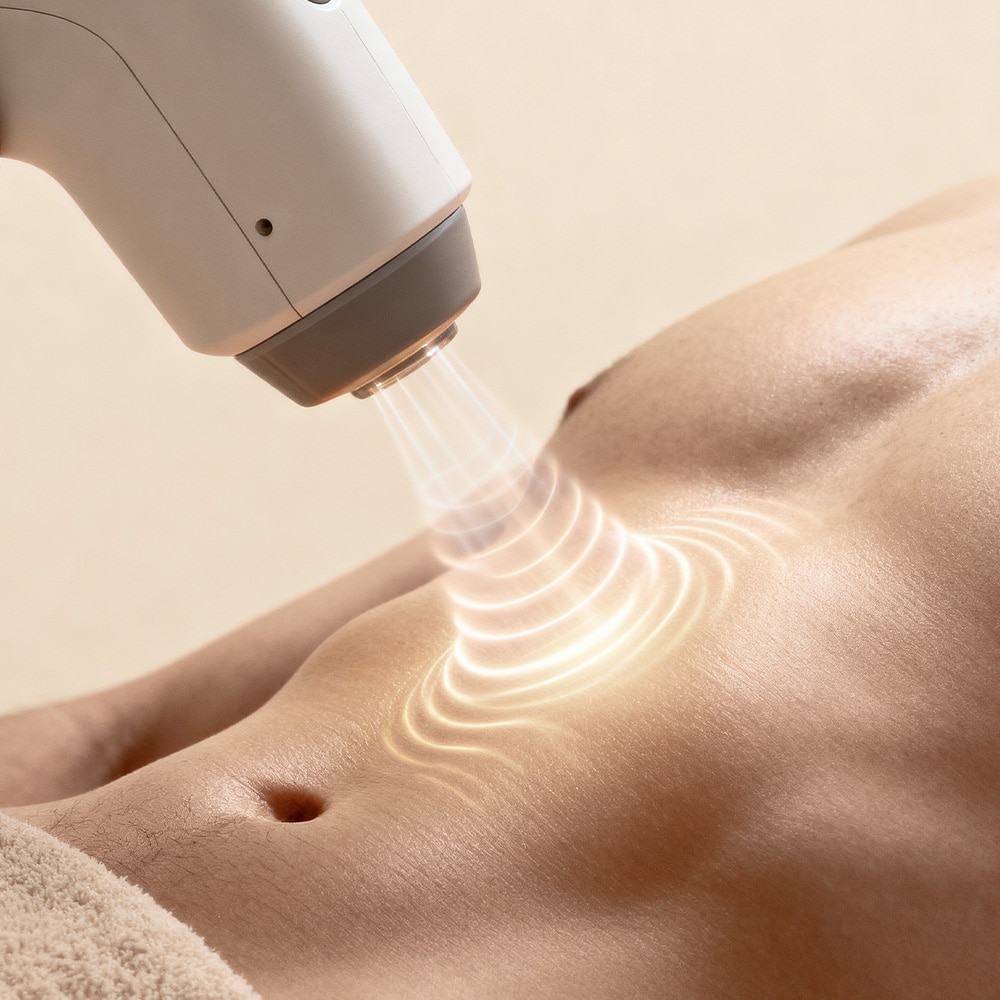
Shock waves are more
than a physical
phenomenon
They have permanently changed modern medicine
They have been used therapeutically for over 40 years, initially to break up kidney stones, and now in almost all medical disciplines. Whether in orthopedics, dermatology, neurology, or cardiology - everywhere, it is clear that targeted mechanical energy can activate regeneration processes.
At Schlosspraxen Meyer, we apply this knowledge in the field of cardiology. Cardiac Shockwave Therapy (CSWT) represents a new generation of gentle treatment methods that utilize the body's natural regeneration mechanisms - without surgery, without anesthesia, and without stress.
What are shock waves?
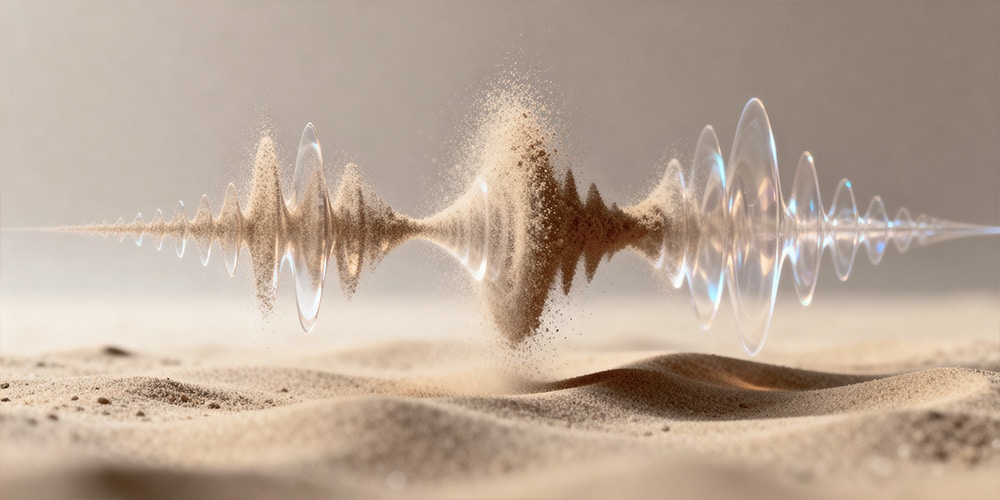
From a physical perspective, shock waves are short, high-energy pressure pulses that propagate through tissue as sound waves.
They are related to sound and ultrasound, but not identical: while ultrasound travels in uniform vibrations, a shock wave consists of a single, very short pressure pulse followed by a slight negative pressure. These pulses are generated outside the body (extracorporeal) and are transmitted to the tissue via water or contact gel.
Depending on the energy form,
shock waves have different effects
High-energy
For the destruction of solid structures, such as in kidney stone treatment (lithotripsy)
Medium-energy
For the activation of metabolism and regeneration in muscles, tendons or bones
Low-energy
For targeted biological stimulation – for example, in nerve tissue or in the heart muscle
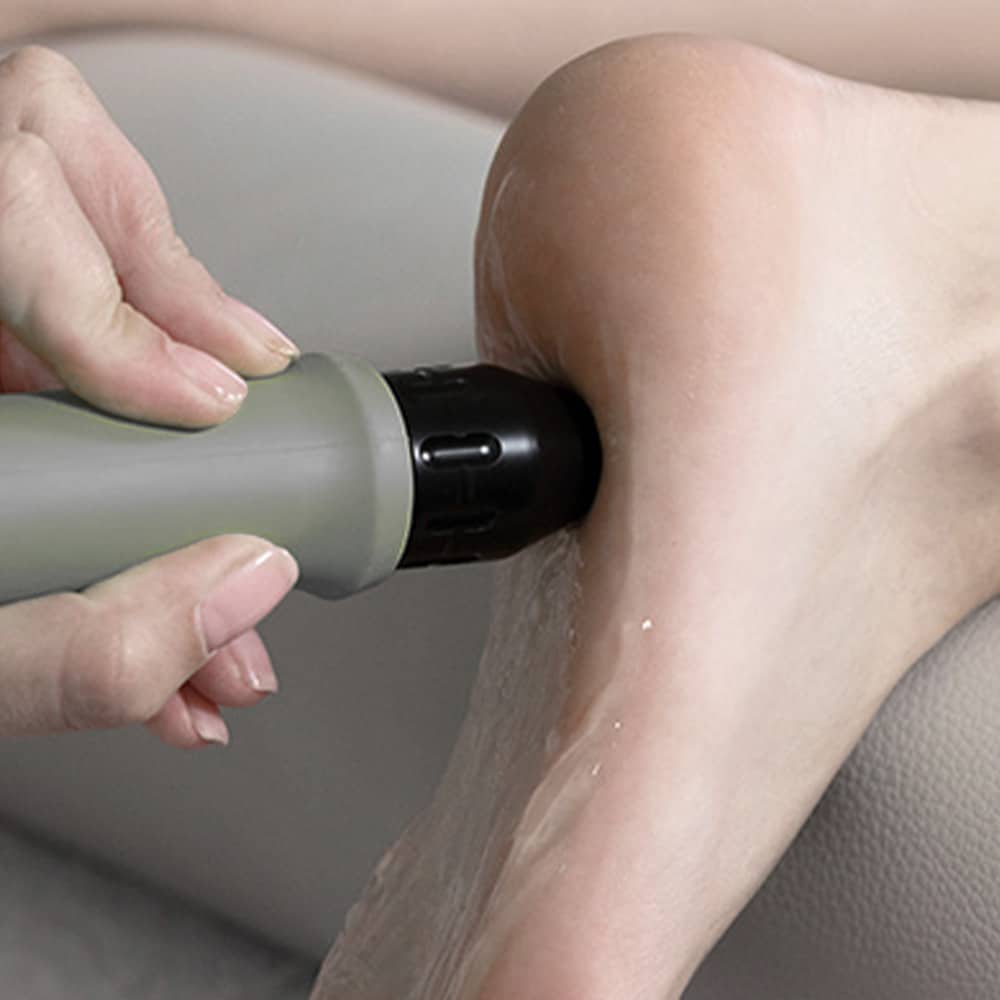
From orthopedic tool to
biological regeneration therapy
After its initial applications in urology, shock wave therapy developed rapidly - especially in orthopedics, where it has been used since the 1990s to treat tendon irritation, heel spurs, and delayed bone healing. Today, shock waves are considered an integral part of regenerative medicine. They can improve blood circulation, stimulate the release of growth factors, and inhibit pain transmission.
These effects are caused by the principle of mechanotransduction - the conversion of mechanical stimuli into biological activity. This means that shock waves are no longer a form of “destructive energy,” but rather a form of biological activation energy. It is precisely this understanding that has paved the way for new fields of expertise - including cardiology.

Impulses for a better
perfused heart
In cardiac medicine, shock waves are now used to stimulate undersupplied areas of the heart muscle. Cardiac Shock Wave Therapy (CSWT) stimulates the formation of new blood vessels (angiogenesis) and improves microcirculation - i.e., blood flow in the smallest vessels.
During treatment, the heart muscle is precisely located and stimulated via the chest wall using gentle shock wave pulses. These pulses trigger regenerative processes in the tissue, which can improve blood flow and increase resilience.
For our patients at Schlosspraxen Meyer, this means that cardiac Shockwave Therapy (CSWT) is a gentle, painless therapy that effectively complements existing forms of treatment and specifically supports the body's natural repair mechanisms.
A future technology with history
Shock waves are an example of how physical findings can be transformed into clinical progress. What once began with the fragmentation of kidney stones has developed into a multidisciplinary therapy platform that does not force healing, but rather initiates it.
Whether in orthopedics, neurology, or cardiology, the same principle is at the heart of it all: gentle impulses that stimulate the tissue to heal itself. Shock wave therapy thus embodies a new approach in medicine: non-invasive, non-destructive, but activating, regenerative, and precisely controllable.
Already around 3000 clinical
studies on shock waves
The benefits and function of shock waves in medicine have been thoroughly researched scientifically. Around 3,000 clinical studies on shock waves in medicine have been published to date.